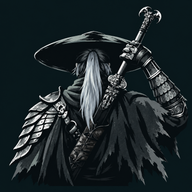
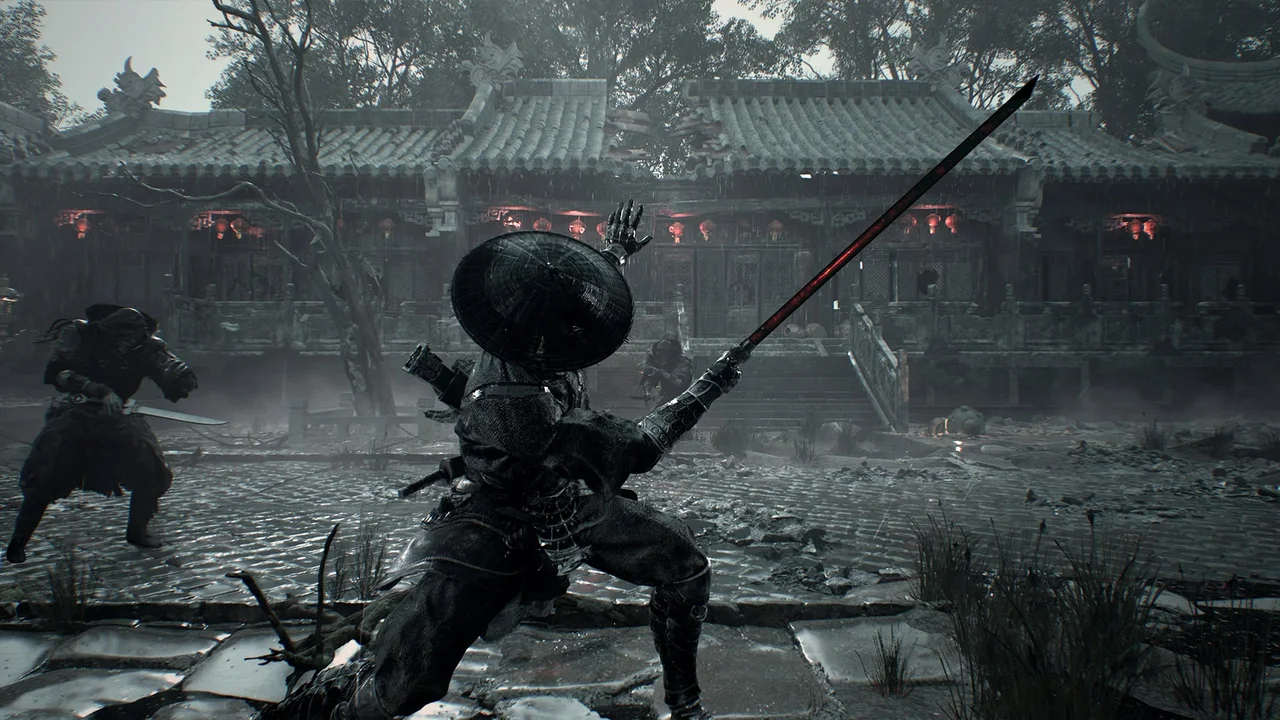
Main weapons and Phantom Edges are different groups
The developer separates the arsenal into main weapons and secondary weapons called Phantom Edges. That distinction is important because a main-weapon count alone does not describe the full set of combat tools. The official storefronts reinforce the same two-part structure, describing over 30 primary weapons and more than 20 Phantom Edges.
The more specific August announcement names 25 secondary weapons, while the shorter store descriptions use a broader count. Read those as descriptions of the announced arsenal, with the wording of each source preserved. A single exact total would imply a complete final inventory, which is a different claim from the published feature summary.
Weapon identity goes beyond animation
In the October developer interview, Soulframe Liang explains that the weapons differ in mechanics as well as movement. His stated goal is to give players a reason to experience different styles without restricting how they approach the adventure. This makes the choice more substantial than selecting a visual appearance for the same attacks.
The practical implication is to learn what a weapon changes about your own approach before deciding whether to keep it. The collected material supports variety and experimentation, rather than a universal rule that one category is best for everyone. An informed choice starts with the system’s intended flexibility and leaves precise damage comparisons to verified item data.
How weapons connect to defeated foes
The October 4Gamer interview connects weapon rewards with boss encounters. The director describes the large roster by referring to the main and secondary weapons players can gain from defeating bosses. That gives the arsenal a relationship with progression through the adventure, rather than presenting every option as a purchase from a menu.
The official deep dive also says that defeating enemies expands the available arsenal. Together, these statements establish the general reward framework without supplying a complete acquisition map. They do not justify naming an exact chest, encounter order, or unlock condition for a weapon whose route has not been documented in the collected evidence.
Upgrades and accessories shape a build
S-GAME confirms that weapons can be upgraded and combined with accessories. Those are the announced systems for tailoring a build, alongside the choice of main weapon and Phantom Edge. The deep dive presents that flexibility as a way for players to express their preferred combat style.
It is useful to think about those choices together rather than treating a weapon as an isolated item. A change of weapon or accessory can alter the approach a player brings to a difficult encounter, which the director also discusses in the October interview. That is a supported reason to experiment, without inventing numerical effects for upgrades or accessories.
Reforging returns materials for another weapon
The developer explicitly says that reforging a weapon returns the materials invested in it. Those resources can then be put into a different weapon when the player wants to switch a build. This is the clearest confirmed answer to whether experimenting with an upgrade has to lock in a permanent direction.
For planning purposes, that makes learning several options more approachable. The published description encourages trying a different setup instead of treating the first upgraded weapon as the only viable choice. Keep the claim at the level the source establishes: material recovery through reforging, rather than assumptions about every currency, cost, or menu step.
Can you keep using a single weapon?
The director says that players can go through the game with one weapon if they prefer. In the same discussion, he emphasizes the work put into making the wider arsenal worth trying. The system therefore supports both commitment to a familiar style and curiosity about alternatives.
Those two ideas fit together because variety does not have to mean a forced rotation. A player can begin with a preferred weapon and use reforging when there is a reason to explore another approach. Our related difficulty and boss guides explain the surrounding challenge, while this article stays focused on the confirmed arsenal and progression framework.
Difficulty options and repeat play
The developer confirms difficulty options for different levels of experience, including Wayfarer for players primarily interested in the story. Hellwalker is described as a tougher challenge with more advanced, adaptive enemy intelligence. These descriptions establish that the game offers a choice of challenge rather than asking every player to use the same difficulty.
The October developer Q&A explains that Sixty-Six Days is a separate challenge unlocked in New Game Plus. It uses Hellwalker difficulty with a limit of 66 deaths, while Soul’s limited remaining life is a narrative element during the ordinary first run. The distinction matters when planning a playthrough, because the story premise does not automatically impose that limited-lives rule on a new player.
How exploration fits around the fights
S-GAME describes Phantom Blade Zero as a semi-open adventure with handcrafted areas, rather than one huge unrestricted landscape. Its original introduction explains that the studio chose reasonably sized maps populated with activities instead of filling a continuous world with reused assets. The official store description also points to hidden passages and mechanisms, giving exploration a purpose beyond moving between encounters.
For a player, this means the world structure belongs alongside the combat when deciding what kind of experience to expect. Optional routes and discoveries are part of the advertised adventure, while the developer’s description stops short of promising sandbox freedom. Our open-world guide explains this structure in more detail and keeps the distinction between an interconnected environment and a conventional open world clear.
Soul, the Wulin, and kungfupunk
Phantom Blade Zero follows Soul, a swordsman framed for his master’s murder and left with a badly wounded heart. He moves through the Wulin while trying to uncover the conspiracy behind his situation. The official premise gives him sixty-six days left to live, making urgency and betrayal central to the story rather than simply a backdrop for isolated fights.
S-GAME calls the game’s visual identity kungfupunk, combining wuxia influences with machinery and punk fantasy. The official introduction connects its cinematic martial-arts ambition with the earlier Rainblood project and the wider Phantom Blade franchise. These details help explain why the game’s weapons, environments, and characters share a strong martial-arts identity even when the setting moves beyond historical realism.
The current launch date and regional difference
The current announced release date is October 29, 2026, replacing the earlier September 9 date. S-GAME’s creative director set out that change in a June letter, and subsequent official announcements use the later date. The August PlayStation Blog recap adds that the release falls on October 28 in the US and select regions.
That regional note explains why an American store listing can show the previous calendar day without contradicting the worldwide announcement. Use the store for the platform and region where you intend to play when checking the date attached to your purchase. An older trailer remains useful historical media, but its original date should not replace the updated announcement when planning launch day.
Sources and further reading
- S-GAME gameplay deep dive · PlayStation Blog
- Official Epic Games Store listing
- Wccftech developer interview
- 4Gamer developer interview · Japanese
- RPGamer developer Q&A
- S-GAME introduction · PlayStation Blog
- Official Steam listing
- Official PlayStation game page
- S-GAME creative-director letter